


Nature awakens at the Wilder Kaiser
Spring flowers on the Wilder Kaiser
In spring, when the first warm rays of sunshine shine over the meadows and forests around Söll am Wilden Kaiser, nature awakens to new life. Between the last remnants of snow and the fresh greenery, those little wonders that make Tyrolean spring so special appear: delicate flowers that bravely fight their way through the still chilly earth and light up the landscape with their colors.
The most important things at a glance:
- Spring at the Wilder Kaiser: When nature awakens around Söll, Tyrol’s most beautiful spring flowers appear on meadows, forest paths and alpine pastures – from delicate liverworts to bright dandelions.
- Nature right on your doorstep: many of these heralds of spring can be discovered on the walking and hiking trails around the Aparthotel Bergland, which start right by the hotel.
- Relaxed active vacation: Thanks to the central location near the cable car, ski slope and hiking trails, you can start your spring day in the Tyrolean mountains directly from the aparthotel.
- Vacations with freedom and comfort: spacious vacation apartments at Aparthotel Bergland combine privacy with the amenities of a personally managed hotel – ideal for relaxing spring days in Söll.
Off for a spring walk
This natural spectacle can be observed particularly beautifully around our apartment house. Walking paths and hiking trails start right on the doorstep of your luxury vacation apartment in Söll, where you can discover the first harbingers of spring.
Purple and blue, white, yellow, pink and red – this is how the heralds of spring shine and bring color to the fresh green of the meadows and forests here at the Wilder Kaiser. This fascinates all flower lovers and also the many honeybees, bumblebees and wild bees that are already busy buzzing across the meadows. And the best thing about it: many spring flowers are even proven natural healing plants.
So if you enjoy an active vacation in a spacious vacation apartment, you can start the day in a very relaxed way – perhaps with a leisurely walk through the awakening nature before breakfast awaits you in the house later. You will also come across the most beautiful spring flowers in Tyrol on these paths.


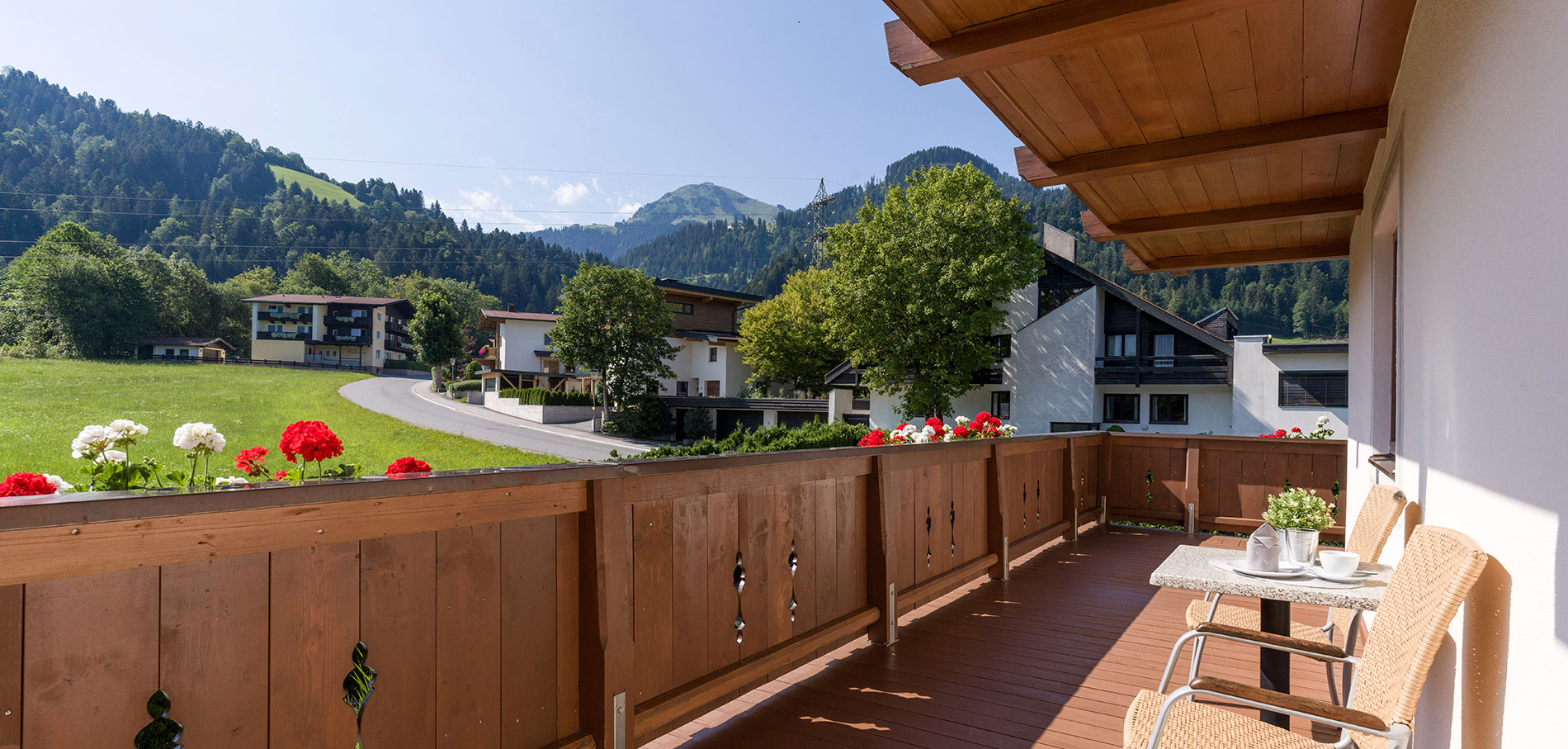
Harbingers of spring on the Wilder Kaiser
Today we take you on a little journey of discovery to the most beautiful spring flowers around Söll and their – in part – healing effects:
1. the liverwort (Hepatica nobilis)
Hardly any other flower brings as much color to the still cool spring forest as the liverwort. Its bright blue-purple flowers look almost like little splashes of color among the foliage and moss and lend the forest a very special atmosphere. The delicate little plant has always been a symbol of hope and new beginnings. In folk medicine, it used to be valued for its healing properties – today it inspires above all with its simple, natural beauty.
2. the wood anemone (Anemone nemorosa)
When entire forest floors are transformed into a sea of white flowers in spring, it is usually the wood anemone that is at work. Its delicate petals appear so light that they seem to dance in a gentle breeze. This delicate little flower is one of the first plants to revive the forest after winter. Despite its innocent appearance, however, it should only be admired and not picked, as it is a poisonous member of the buttercup family.
3. the daisy (Bellis perennis)
Small, simple and yet full of charm: the daisy is probably one of the best-known heralds of spring. Its white petals wrap around the sun-yellow heart like a star and bring a cheerful splash of color to meadows and gardens. For generations, this little flower has accompanied us through spring – whether as a wreath in our hair or as a little surprise along the way. It also has a firm place in naturopathy and was even named medicinal plant of the year in 2017.
4. dandelion (Taraxacum)
As soon as the meadows turn a brilliant yellow, the dandelion makes its grand entrance. The vibrant flowers shine from afar and make entire landscapes appear to be covered in sunlight. This robust herb is far more than just a pretty meadow flower. Dandelion has long been valued in naturopathy, for example as a tea or syrup, as it is traditionally known for its cleansing and strengthening properties.
5. coltsfoot (Tussilago farfara)
Even before many other plants begin to bloom, coltsfoot appears with its bright yellow flowers. It is one of the classic medicinal plants of the Alps and was once used especially for coughs and hoarseness. Its natural mucilage can soothe the airways and form a protective film on the mucous membranes. Even today, coltsfoot is still considered a valuable plant in traditional naturopathy – and one of the first greetings of spring.
I would love to pick a flower!
-
Nature conservation:
Some of the flowers are protected and may not be picked or dug up in their natural habitat: for example, the snowdrop and spring knot flowers, cowslip and liverwort (see picture)! These flowers are now very rare in the wild – but their existence must be safeguarded at all costs, as they are among the few plants that offer nectar to insects at this time of year.
-
Caution is advised:
But we also need to “watch out” for other flowers! – because many of them are poisonous, such as the tulip, daffodil and crocus. The plant milk of the dandelion is also slightly poisonous, which is why you should not consume large quantities of it.
A certain degree of caution is required, especially with children and animals!
FAQ – Answers to your most important questions:
The first spring flowers usually appear in March as soon as the sun gets stronger and the snow melts in the valleys. Especially along forest paths and meadows around Söll (in the immediate vicinity of your vacation apartment in our aparthotel), you can then discover liverworts, wood anemones and coltsfoot.
Many of the most beautiful places are located directly along the walking and hiking trails around Söll. From our apartment Haus Bergland you can easily reach many of these paths on foot and enjoy the awakening nature in peace and quiet.
Some spring flowers are protected or should not be picked out of consideration for nature. In any case, it is most beautiful to admire the flowers where they grow – in the middle of the Wilder Kaiser mountain landscape.
Conclusion:
Spring around Söll am Wilden Kaiser is a very special time. As the mountains slowly awaken from their winter slumber, delicate spring flowers transform meadows and forests into a colorful nature experience. Those who want to consciously experience this quiet, beautiful time of year will find ideal conditions around the Aparthotel Bergland: Hiking trails start right on the doorstep and lead through a landscape where the little wonders of spring can be discovered at every turn – from liverworts, wood anemones and coltsfoot to dandelions and daisies. A relaxing stay in spacious luxury vacation apartments is naturally combined with unforgettable moments in Tyrolean nature.
The team at Aparthotel Bergland in Söll, the Wilder Kaiser luxury apartment, wishes you lots of fun discovering the first Tyrolean spring flowers!
- And? Have we made you curious about other hiking routes around Söll?
In our blog you will find the most beautiful hikes on the Wilder Kaiser – enjoy reading: To the blog - Sources:
https://www.mein-schoener-garten.de/pflanzen/leberbluemchen/gewoehnliches-leberbluemchen
Blog Austria Insiederinfo
About the Author: Sabine Egger